NOW Foods Xylitol – Pure Sweetener for Parenting Families Seeking Low-Sugar Alternatives
NOW Foods Xylitol – Pure Sweetener for Parenting Families Seeking Low-Sugar Alternatives
Couldn't load pickup availability
Why you'll love it
- Won't promote tooth decay — a hard-to-beat advantage over sucrose and fructose
- Low glycemic impact makes it safer for diabetics and blood-sugar management
- Roughly one-third fewer calories than sugar for weight-conscious users
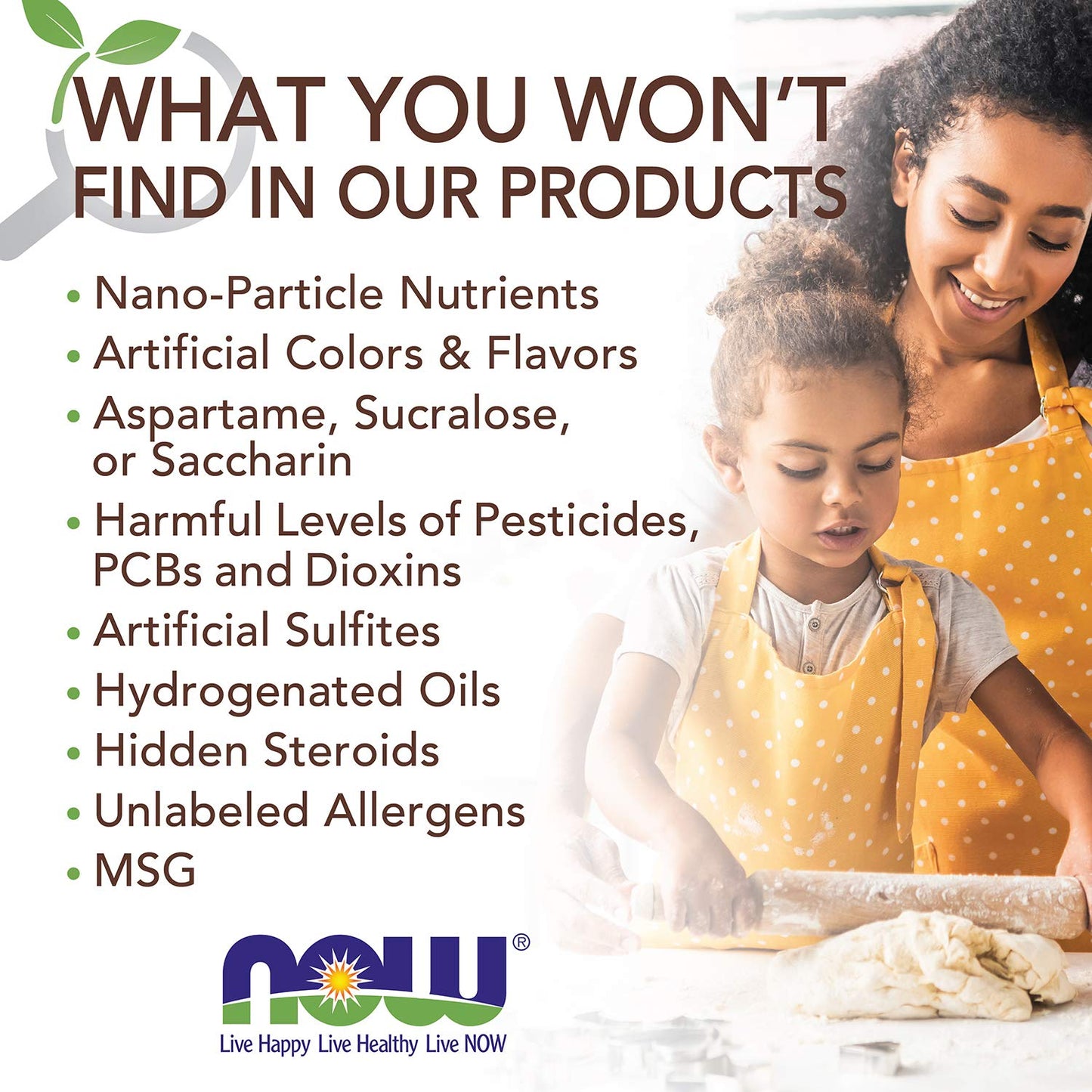
- Pure with no added ingredients — no fillers, no anti-caking agents
- Keto-friendly macronutrient profile fits restrictive low-carb diets
- Sourced from non-GMO corn, appealing to clean-label shoppers
Perfect for
- Sweetening coffee, tea, and beverages without raising blood sugar
- Replacing sugar in keto and low-carb baking recipes
- Making sugar-free desserts and treats for diabetics
- Adding sweetness to kids' snacks without promoting tooth decay
- General sugar substitution in everyday cooking and drinks


Product Information
XYLITOL: An incredible sweetener that more and more people are turning to as an ideal substitute for sugar NO OTHER ADDED INGREDIENTS: Unlike sugars such as sucrose and fructose, this naturally occurring sugar alcohol won’t promote tooth decay, has a low glycemic impact, and has around one-third the calories of other sugars, making it a hard-to-beat sweetener 1/3 FEWER CALORIES THAN SUGAR: Our xylitol is derived from non-GMO corn and is the perfect substitute for sugar in almost any application Keto Diet Friendly Packaged in the USA by a family owned and operated company since 1968
Product Dimensions : 3 x 5 x 9.25 inches; 1.05 Pounds Item model number : NOW07139 UPC : 733739071392 Manufacturer : NOW Units : 16.0 Ounce Best Sellers Rank: #5,805 in Grocery & Gourmet Food
Frequently Asked Questions
Is xylitol really safer for my kids' teeth than regular sugar?
Yes. Xylitol does not promote tooth decay the way sucrose and fructose do, which is why pediatric dentists often recommend it. Swapping it in for sugar in snacks and lunchbox treats is a simple way to reduce your children's cavity risk without removing sweetness from their diet.
Can I use this xylitol in my child's school lunch without raising concerns?
Yes. You can use xylitol to sweeten homemade muffins, granola bars, and yogurt treats that you pack in school lunches. It looks and tastes like sugar in recipes, so kids do not notice the swap while parents get the benefit of a non-cavity-promoting sweetener.
Is this xylitol safe for the whole family to use daily?
Yes, for human family members. Xylitol is safe for adults and children when used in normal food and beverage amounts. The one critical safety note is that xylitol is highly toxic to dogs, so always store the bag well out of reach of pets.
Will my kids actually eat baked goods made with xylitol, or will they taste different?
Most children do not notice the difference. Xylitol tastes very close to table sugar and browns similarly in cookies, muffins, and pancakes, so family-favorite recipes typically come out tasting the same. It is an easy swap for kid-approved treats.
Does xylitol work for sugar-free popsicles and frozen treats my kids love?
Yes. Xylitol dissolves readily in water and fruit purées, making it ideal for homemade popsicles, smoothies, and frozen yogurt bites. You can create kid-friendly frozen treats without added sugar while still keeping the sweetness kids expect.
I am a parent. Is this a smart sugar replacement for everyday kid snacks?
Yes. The combination of being non-cavity-promoting, low glycemic, and free of fillers makes xylitol a practical everyday swap for parents who want to reduce their family's sugar intake without removing sweet foods from the rotation.
What is the best age to start using xylitol in my kids' food?
Xylitol is generally considered safe in normal food amounts for children over the age of one, similar to most added sweeteners. For younger toddlers, it is best to introduce small amounts gradually and discuss any dietary changes with your pediatrician.
Is xylitol better than honey for my child's lunchbox treats?
For dental health specifically, yes. Honey still contains natural sugars that can contribute to tooth decay, while xylitol does not promote cavities. Honey also has a distinct flavor that can change recipes, whereas xylitol keeps the taste closer to classic sugar-based treats.
How does xylitol compare to brown sugar for kid-friendly baking?
Brown sugar still promotes tooth decay the same way white sugar does. Xylitol gives you a similar sweetness and moisture in baked goods but without the cavity-promoting effect, making it a smarter choice for cookies and cakes your kids eat often.
Is there any risk of my child eating too much xylitol at once?
Like most sugar alcohols, large amounts of xylitol can cause digestive upset such as gas or diarrhea in children. Sticking to normal food and beverage amounts and increasing gradually is the safest way to introduce it into your family's diet.
Could my dog get sick if my child drops xylitol on the floor?
Yes, and this is a serious concern for any household with pets. Xylitol is highly toxic to dogs and can cause a rapid, life-threatening drop in blood sugar and liver damage. Always store the bag in a closed, high cabinet and clean up spills immediately.
Is it safe to send xylitol-sweetened treats to a nut-free or allergen-aware school?
Yes. Pure xylitol is free from common allergens like nuts, dairy, gluten, and soy, so it is generally safe for most school allergy protocols. Always check with the school about their specific ingredient rules before sending homemade treats.
I want a clean sweetener for my kids. Does this have any hidden ingredients?
No. This product is pure xylitol with zero added ingredients or fillers. For parents who want a clean-label sweetener with nothing to hide, the single-ingredient list is reassuring.
Can I use xylitol to sweeten my toddler's oatmeal or cereal?
Yes, in small amounts. Xylitol dissolves easily into warm oatmeal and cereals, giving a sugar-like sweetness that picky eaters usually accept. Start with a small amount and adjust to taste.
Will using xylitol actually cut down on my kids' dentist visits?
It can help. Xylitol does not promote tooth decay, so using it in place of sugar in everyday snacks and drinks reduces one of the main sources of cavity-causing sugar in your child's diet. It is not a replacement for brushing, flossing, or regular dental checkups, but it is a meaningful step.
Can I use xylitol in place of sugar in my pancake and waffle recipes for the kids?
Yes. Xylitol works as a 1:1 replacement in pancake, waffle, and French toast batters, giving you familiar sweet breakfasts with a tooth-friendly sweetener. It browns similarly to sugar, so you still get that golden color kids love.
How do I substitute xylitol for sugar in a standard baking recipe?
Use xylitol as a 1:1 replacement for table sugar in most recipes. The same amount of teaspoons, tablespoons, or cups works for cookies, muffins, quick breads, and sauces. Xylitol also browns similarly to sugar, so you do not need to adjust oven temperature or baking time for most recipes.
How do I sweeten my coffee or tea with xylitol?
Add xylitol to taste, starting with one teaspoon per cup and adjusting from there. It dissolves easily in hot beverages and tastes very close to table sugar, so you can use the same amount you would normally use with white or brown sugar.
How should I store xylitol after opening the bag?
Keep the bag sealed in a cool, dry place like your pantry. There is no need to refrigerate it. If you prefer, you can transfer the contents into an airtight glass or stainless steel container for easier pouring and longer-term freshness.
Is this xylitol compatible with keto and low-carb recipes?
Yes. Xylitol has a keto-friendly macronutrient profile with minimal net carbs, making it a common sweetener in keto and low-carb baking. It works well in cookies, cakes, ice creams, and other sugar-free desserts designed for restrictive low-carb diets.
Is this xylitol compatible with diabetic-friendly recipes?
Yes. Because xylitol has a low glycemic impact, it is widely used in diabetic-friendly baking and beverage recipes as a replacement for table sugar. It allows people to enjoy sweet foods while managing blood-sugar response, though individual tolerance should always be discussed with a healthcare provider.
What is in the bag when I open it, and is anything sold separately?
Inside the package you will find 1 pound (16 oz) of pure xylitol with no added ingredients. Nothing else is required to use the product. A scoop, measuring spoon, or storage canister can be helpful but is not included or necessary.
Is xylitol safe for everyone in the household?
Xylitol is safe for human adults and children when used in normal food amounts, but it is highly toxic to dogs and can be dangerous to other pets. Always store the bag in a closed, high cabinet, clean up spills immediately, and never allow pets to access it.
Can eating too much xylitol cause digestive issues?
Yes. Like most sugar alcohols, large amounts of xylitol can cause gas, bloating, or a laxative effect, especially if you are not used to it. Start with a small serving and increase gradually to let your body adjust.
What is the difference between xylitol and erythritol as a sugar alcohol?
Both are sugar alcohols with a low glycemic impact, but xylitol tastes slightly closer to table sugar and browns better in baking, while erythritol can have a cooling sensation on the tongue. Xylitol is also more toxic to pets, while erythritol is considered safer for dogs, though it should still be kept away from them.